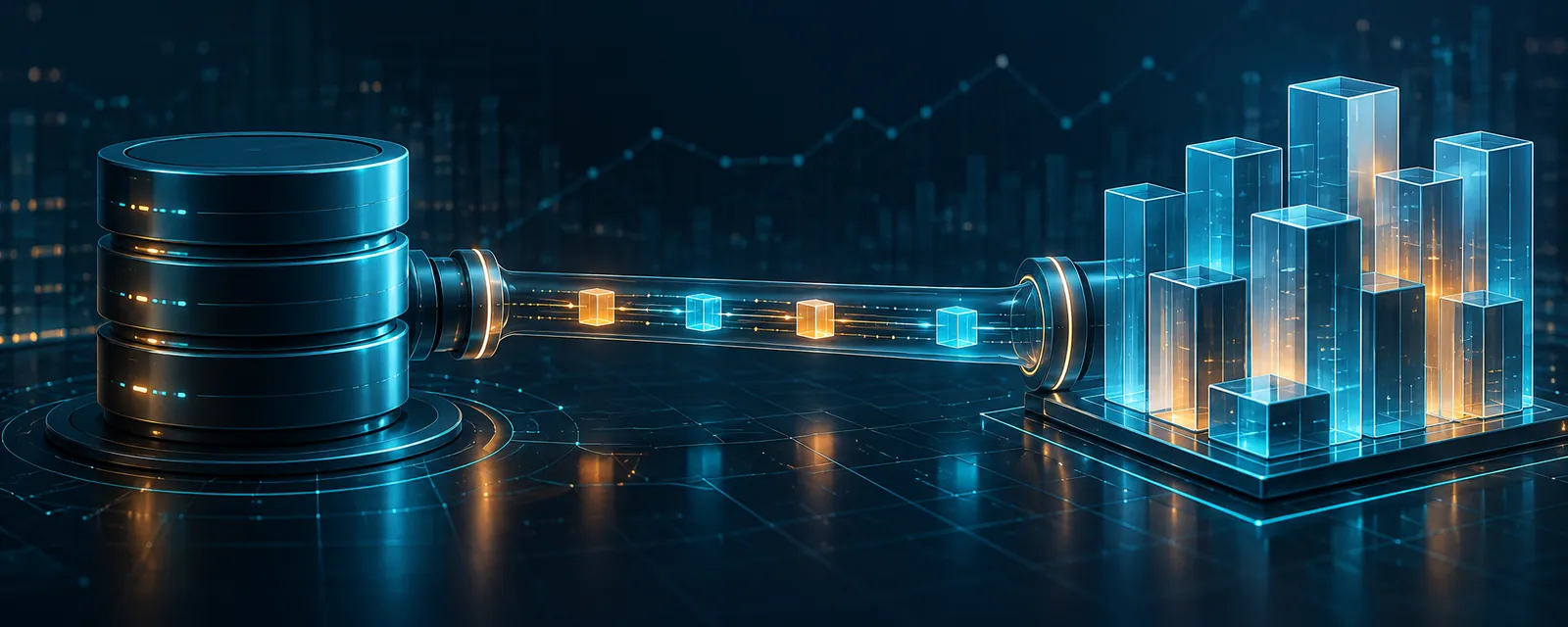
Imagine a shop with ten million orders in its database. The analytics team needs to query today’s sales, so it copies those orders into an analytical warehouse every night. If only ten thousand changed today, transferring all ten million again is slow and expensive. Change Data Capture (CDC) identifies the changes so the pipeline can send only what is needed.
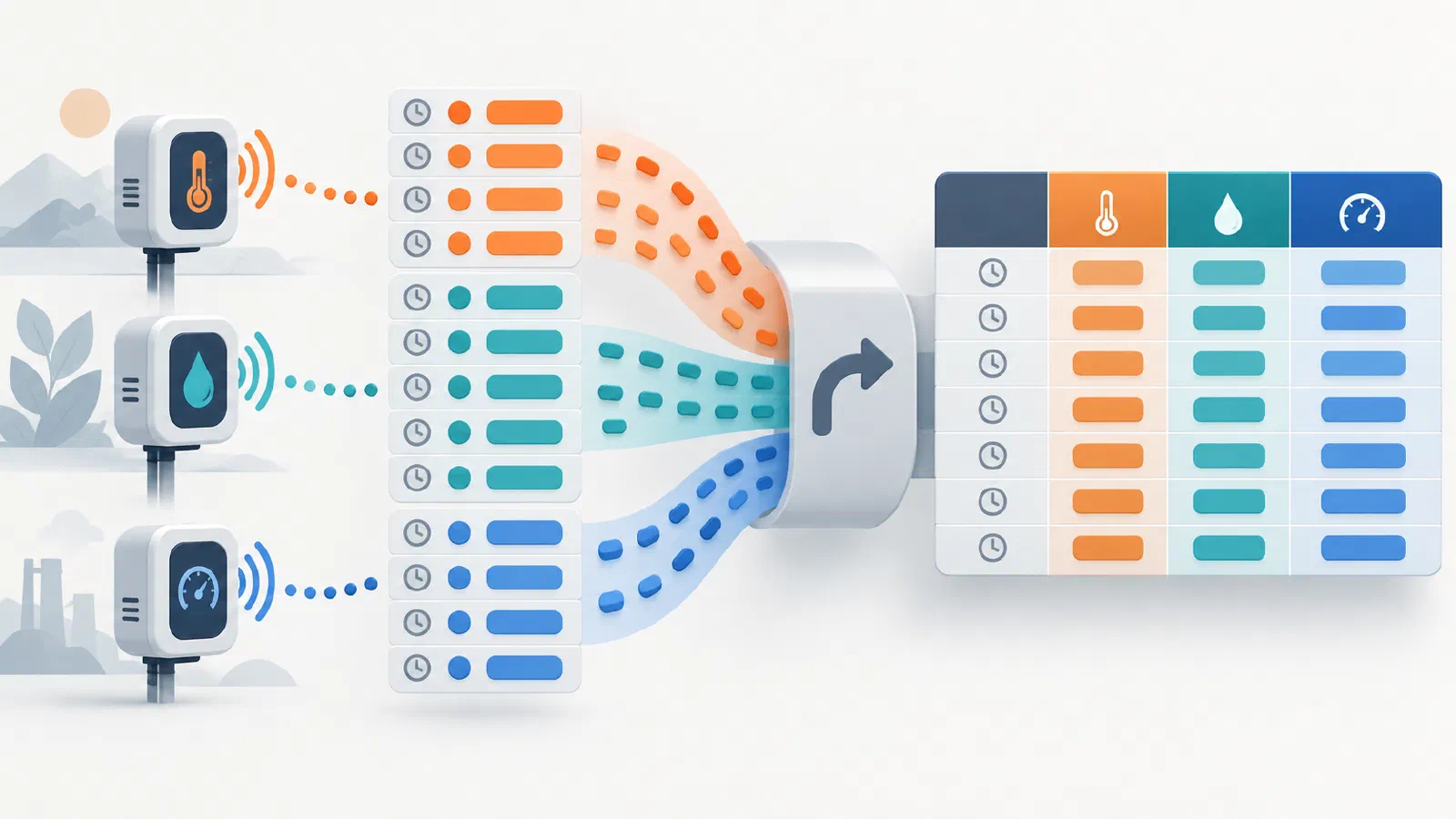
Imagine receiving sensor readings every five minutes. Each message contains a time, a sensor ID, a metric name, and a value. Storing messages as they arrive is convenient: if a new metric appears tomorrow, it simply adds more rows. But a report consuming the data wants something else: one row per time and sensor, with temperature, humidity, and pressure in separate columns.
Some tools solve one specific task. Others eventually become the whole toolbox. DBeaver belongs to the second category: it is a cross-platform database client for connecting to, querying, exploring, editing, and exporting data without changing applications. For a data engineer, it feels a lot like a graphical Swiss Army knife.
What is DBeaver?
DBeaver is a desktop application for working with databases and other data sources. It supports JDBC connections, schema and table browsing, SQL with autocomplete, execution-plan inspection, record editing, and data export.
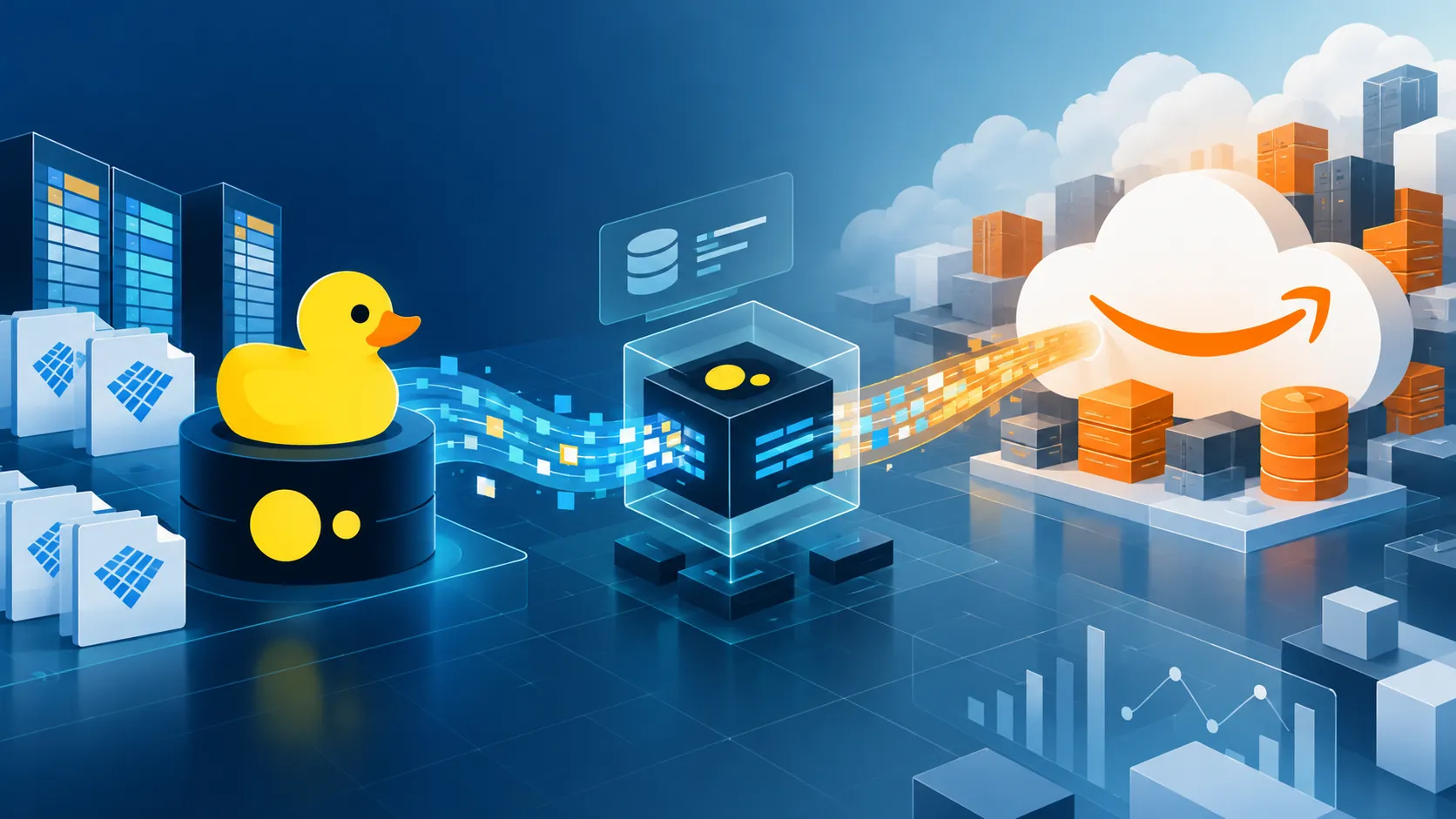
Some tools appear in data pipelines because a large company imposes them. Others spread because they solve an everyday problem with an elegance that is hard to ignore. DuckDB belongs to the second category. It is a small, fast, embeddable analytical database that can query local or remote files with SQL. In recent years it has become a common part of Data Engineering, Data Science, and Analytics Engineering workflows.
