Some tools solve one specific task. Others eventually become the whole toolbox. DBeaver belongs to the second category: it is a cross-platform database client for connecting to, querying, exploring, editing, and exporting data without changing applications. For a data engineer, it feels a lot like a graphical Swiss Army knife.
What is DBeaver?
DBeaver is a desktop application for working with databases and other data sources. It supports JDBC connections, schema and table browsing, SQL with autocomplete, execution-plan inspection, record editing, and data export.
Python remains one of the most comfortable languages for exploring and transforming data. But DataFrame convenience does not always translate into speed: as rows and columns grow, memory and CPU costs become obvious. Polars addresses that problem with a Rust-based DataFrame library exposed through a Python API.
What is Polars?
Polars is an analytical query engine and DataFrame library for tabular data. Its core is written in Rust, uses an Apache Arrow-compatible memory model, and combines vectorized, columnar processing with query optimization.
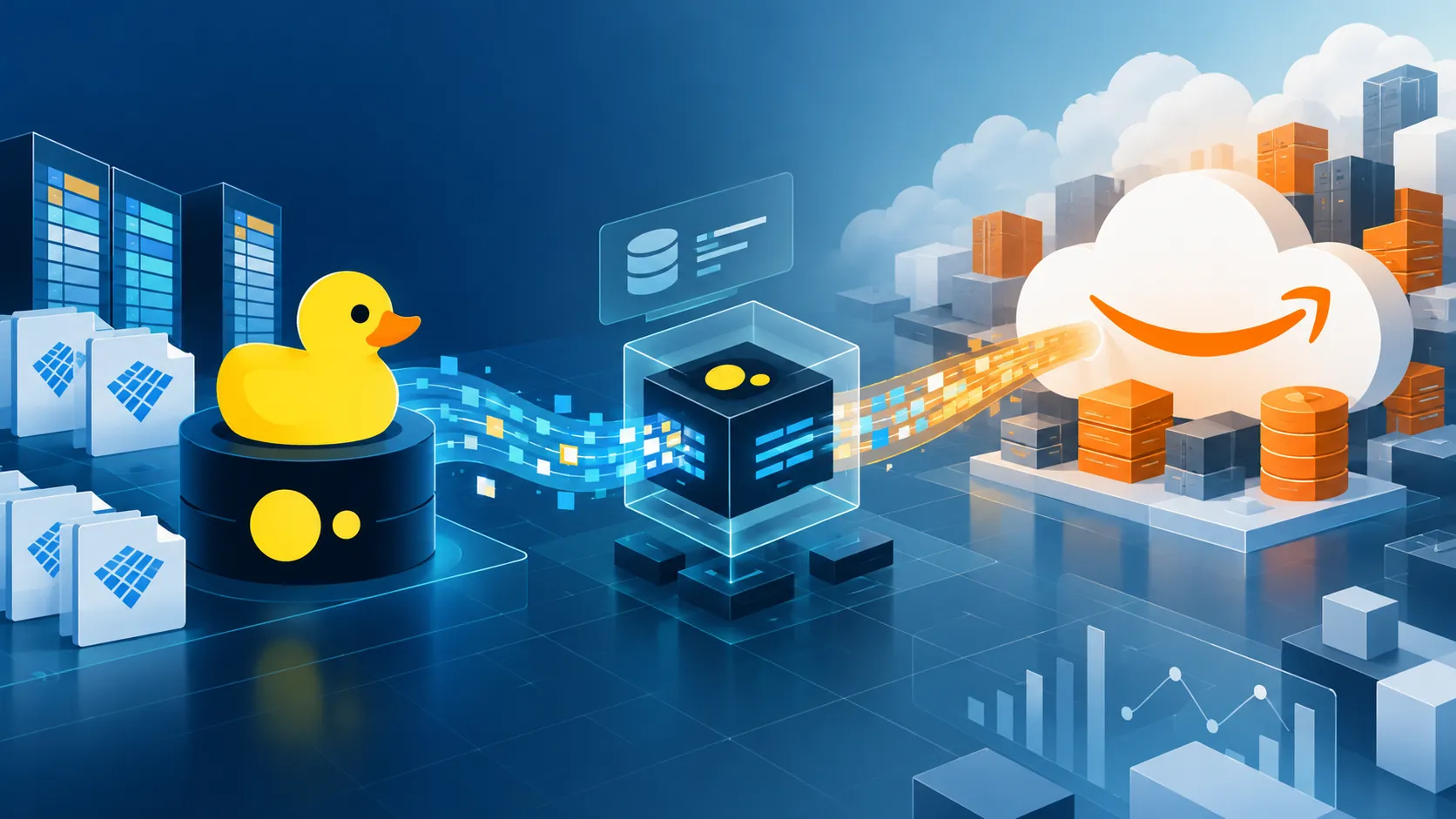
Some tools appear in data pipelines because a large company imposes them. Others spread because they solve an everyday problem with an elegance that is hard to ignore. DuckDB belongs to the second category. It is a small, fast, embeddable analytical database that can query local or remote files with SQL. In recent years it has become a common part of Data Engineering, Data Science, and Analytics Engineering workflows.
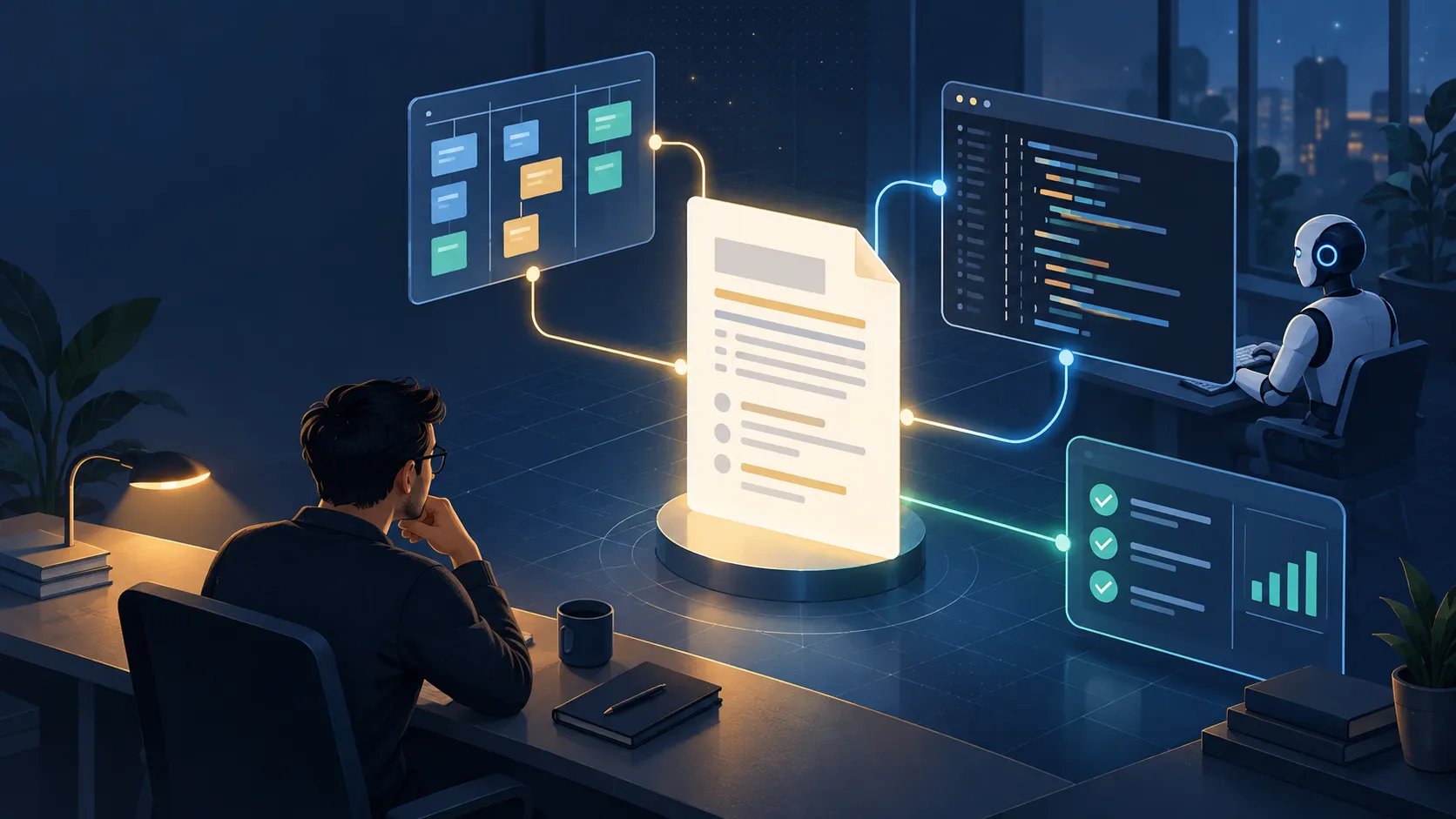
LLM agents write code at astonishing speed. They also forget at astonishing speed. A conversation may contain important decisions, yet those decisions disappear when the session, model, maintainer, or available context changes.
That is where Spec-Driven Development (SDD) comes in. The idea is simple: before asking for code, write down what we want to build, why, which boundaries it must respect, and how we will know it works. The specification stops being an ephemeral document and becomes a working contract that both the team and its agents can read.
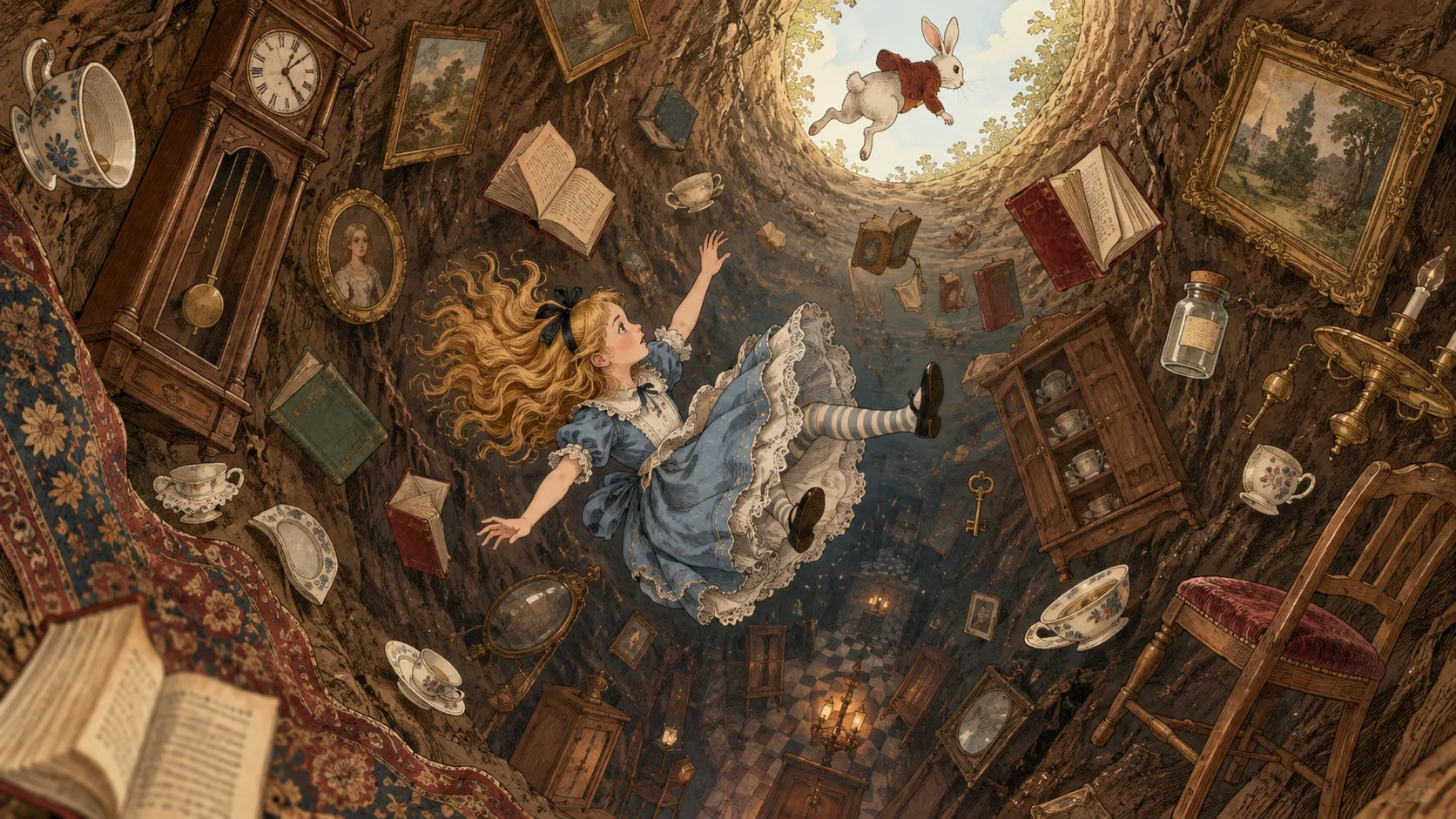
And like Alice, falling down the rabbit hole without realizing that she was actually falling, without feeling dizzy or experiencing any sense of alarm, we fell into this enormous garden that is COVID-19.
And we drifted, oblivious to the enormous problem this could pose, because we assumed that all swans were white until we found a black one. And how black it was: darker than the lord of darkness, more dramatic than a Shakespeare play, more ironic and surreal than any film by Berlanga.
